One reader commented, “Beautifully written! Very, very beautiful. Speaks to me because you have covered areas I know little about, although some of the backdrop may be familiar. Makes me want to go to Pisa and check it out properly. The language in this piece is beautiful. It sings! Excellent photographs too.”
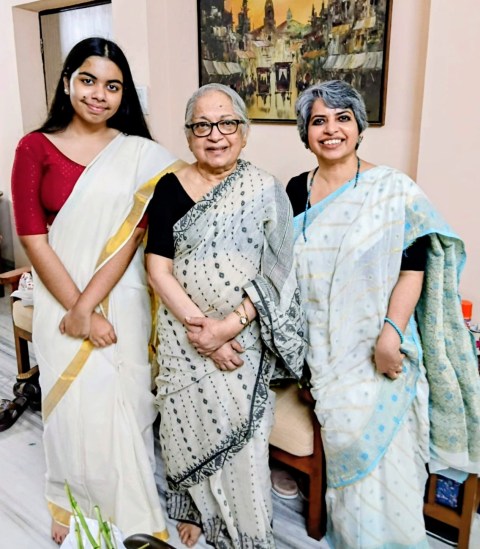
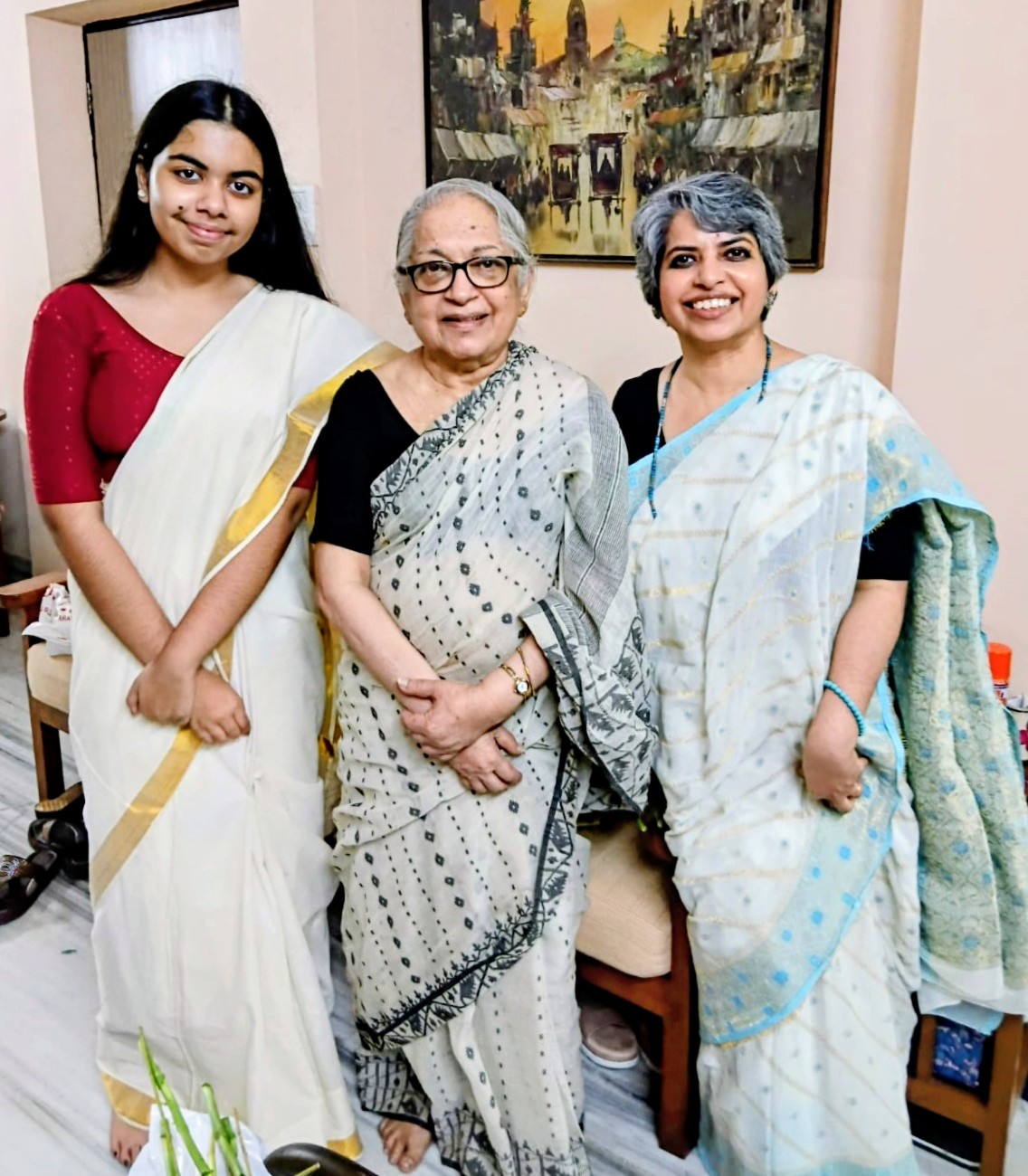
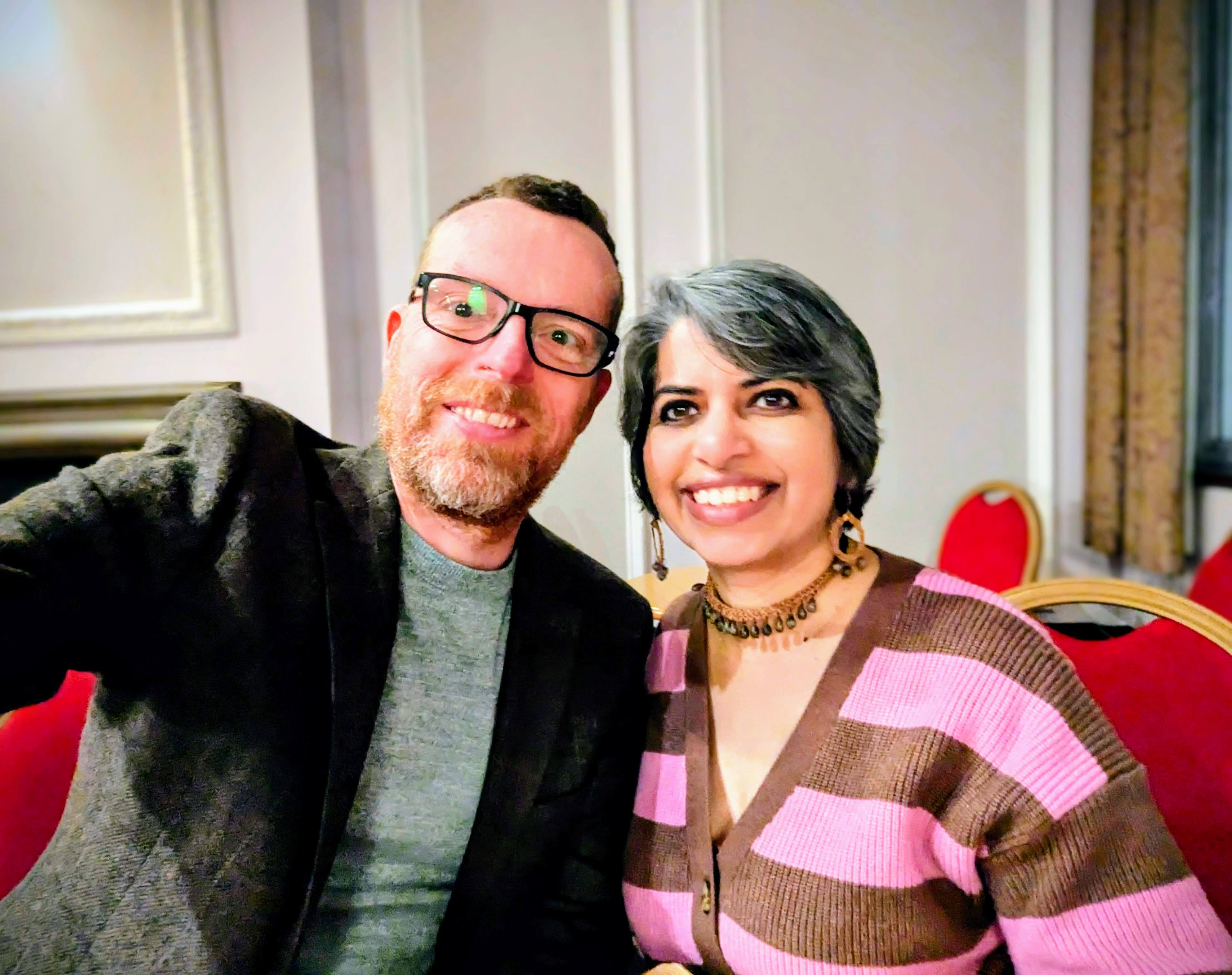
Image: Shreya, with her mother and niece, after her father’s memorial, glad to have given him a great sendoff but sad he wasn’t there to hear all the wonderful things said and sung
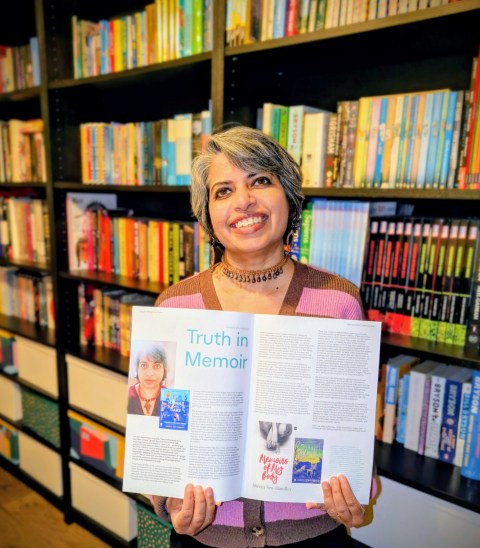
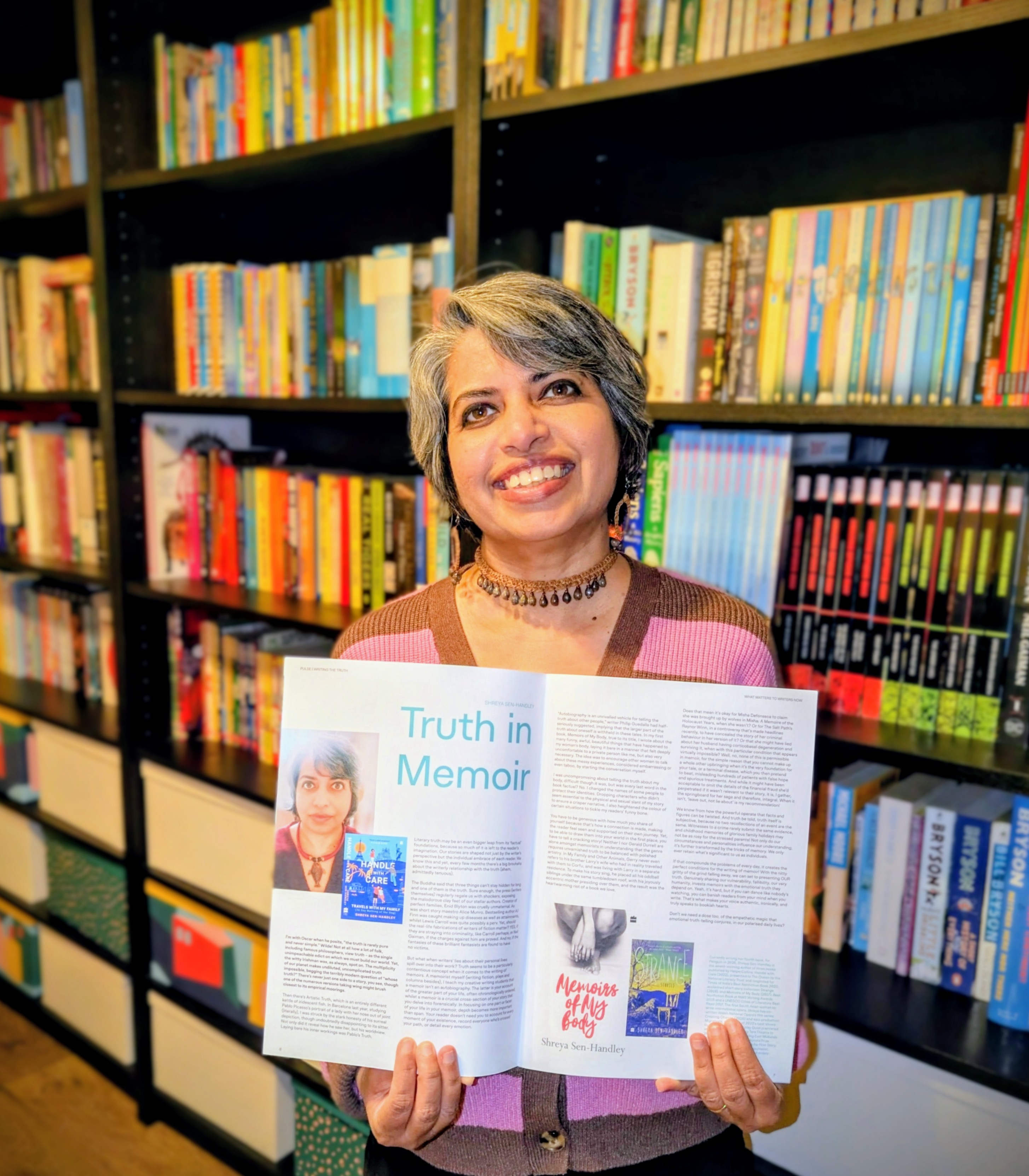
Doubly relevant in the current climate, and amidst the controversy over the best-selling memoir ‘The Salt Path’, but Shreya explores much more than that in her inimitable style, and provides solutions. Please get a print copy (as pictured above) from publisher Writing East Midlands or read here.
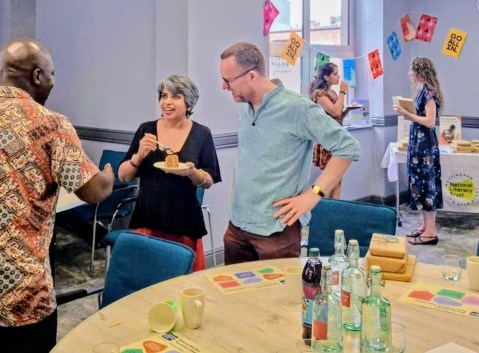
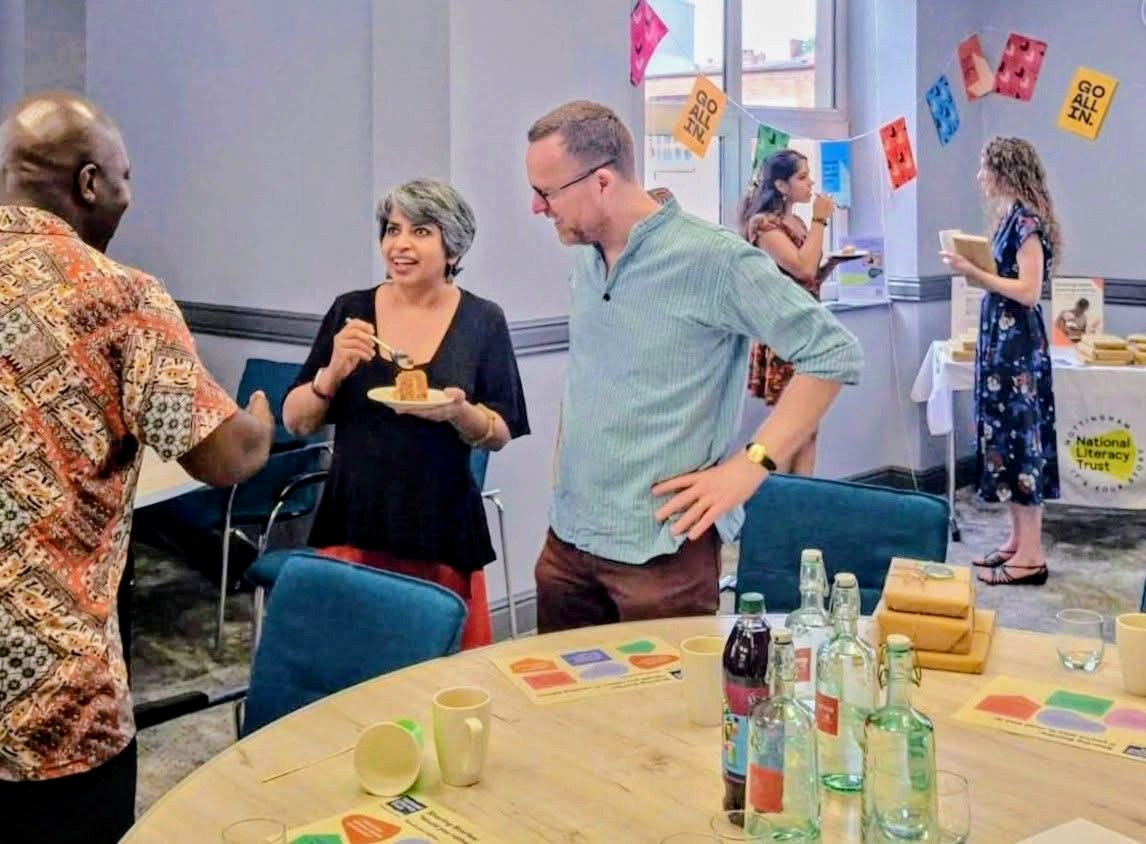
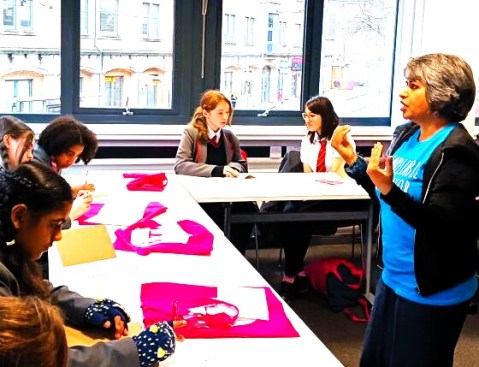
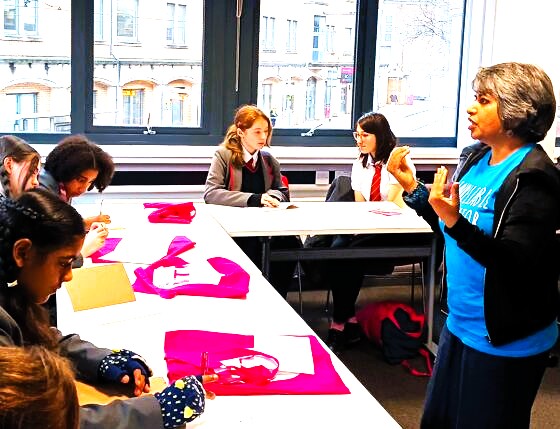
The enthusiastic secondary school students produced wonderful work and the teachers accompanying them, as well as the organisers, praised the sessions as well. Shreya is a writer-in-residence for leading British writing charity First Story.
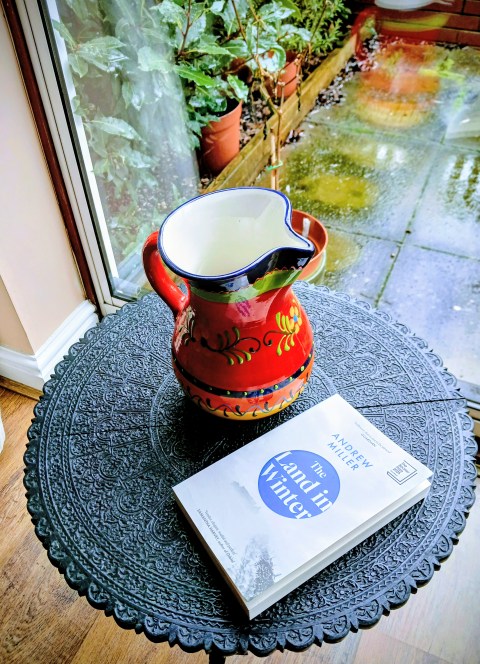
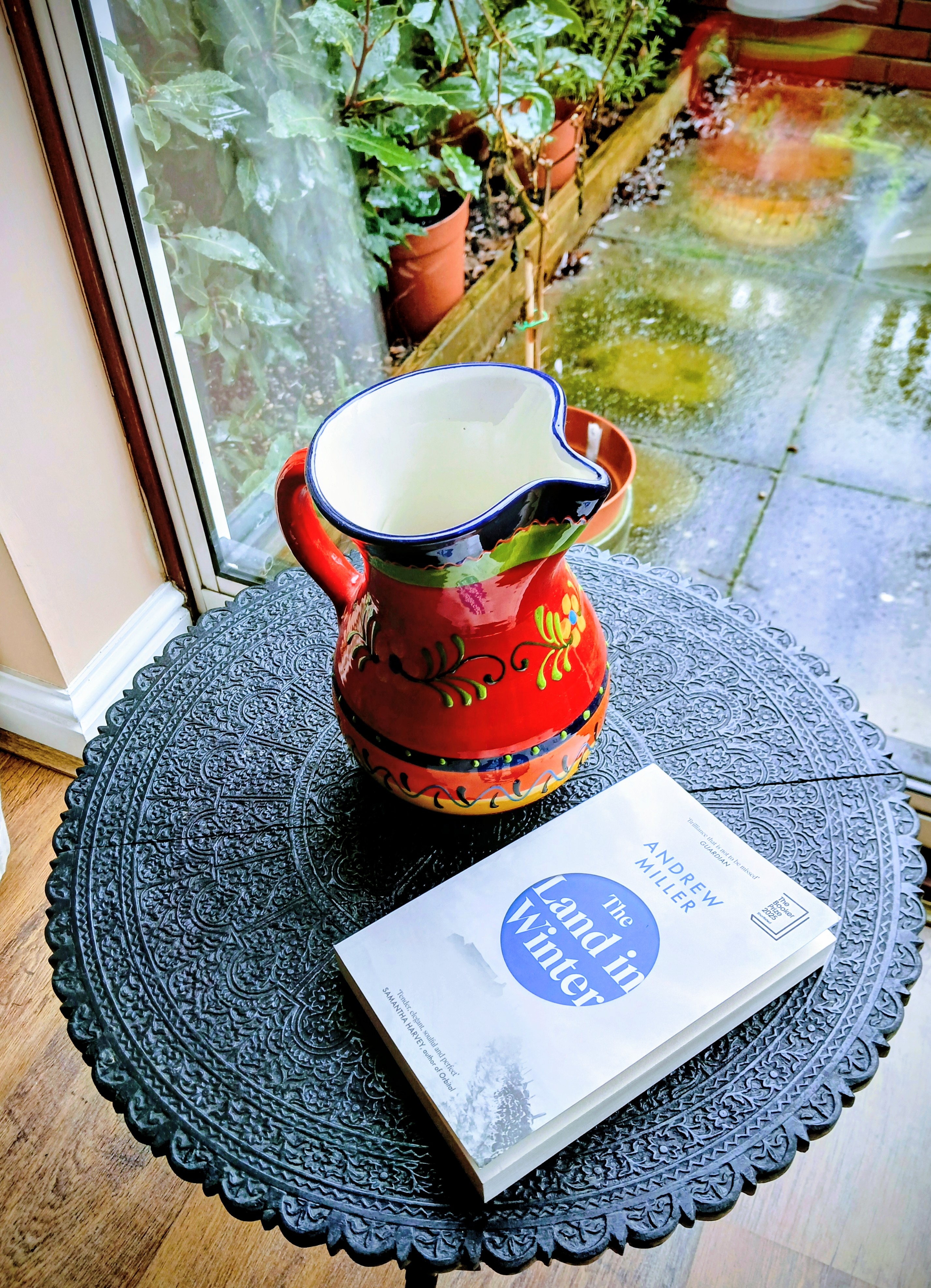
Please click here to read the snappy review, but as there are typos, here it is in full:
“It is a truth universally acknowledged that storytelling is essential to humanity, developing society and connecting the world as it does. It’s a mystery, therefore, that storytelling is anathema to the gatekeepers and practitioners of the modern ‘literary’ novel, and plots, pariahs banished from their ivory-towered, exclusionary terrain. With riveting exceptions like Booker-winning Wolf Hall or the Pulitzer-shortlisted The Dutch House, prizewinning or nominated books wallow in the kind of navel gazing that have driven readers away in their gadzillions, even as ‘literature’s’ guardians, blinded by their own self-proclaimed brilliance, rue their shrinking foothold in the real world.
Having picked up Andrew Miller’s Booker-shortlisted The Land in Winter, I was surprised, therefore, by its semblance of a story. It makes an excruciatingly slow start, bogged down for the first hundred pages with details no-one needs to know (we’re informed of every trip his characters make to the bathroom – completely unnecessary even had the story been about a consortium of plumbers), then hits its stride and becomes engrossing for the next two hundred, before letting us down again with a weak, wussy finish.
It does, however, along the way, get you invested in a few of its characters, an art that appears largely forgotten in many of today’s novels. You don’t have to like them but if the author can’t get you interested in their fate then the story has failed, and Miller does succeed in making me care about Bill’s farm, his eccentric bull, and whether he lives or dies in the end (Bill, not the bull, though the latter provides some of the rare moments of humour in this book), and about mistreated Irene and whether she will ever escape her ghastly doctor-husband’s clutches or of the oddly sinister blind children’s home matron she finds herself beholden to after her misadventures in the snow. Gabby, the East European doctor, on the other hand, is an intriguing character left largely undeveloped, and what a waste of a good story that is! The trying-too-hard-to-be-interesting Rita, I couldn’t warm to, and Eric the Doctor, I wouldn’t touch with a ten-foot pole, or his married lover and cuckolded husband for that matter, but these things are subjective and they might float your boat.
The language is beautiful, the descriptions of the pivotal snow in particular, a character in its own right, but the author indulges himself in stylistics to such a degree, especially his love for layering each line with metaphor upon (sometimes mixed) metaphor, that these stretches not only go on forever, as a snowscape can seem to, but clog up the otherwise impressive literary flow.
In conclusion, dear reader, if you’re holidaying in the sunshine, with time on your hands, give this a go.”
(c) Shreya Sen-Handley, for The Asian Age and Deccan Chronicle